Rejecting Kings Since 1776 Protest SVG Review
A Bold Statement in Embroidery Design
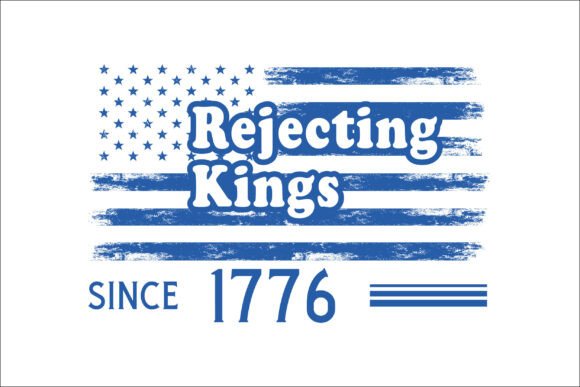
As a designer who’s spent years working with machine embroidery designs, I always look for that perfect balance between visual impact and practicality. The Rejecting Kings Since 1776 Protest SVG immediately caught my eye—not just for its message, but for the way it feels like a piece of history stitched into fabric. It’s a design that screams rebellion, pride, and a touch of nostalgia, all wrapped up in a single digital embroidery file.
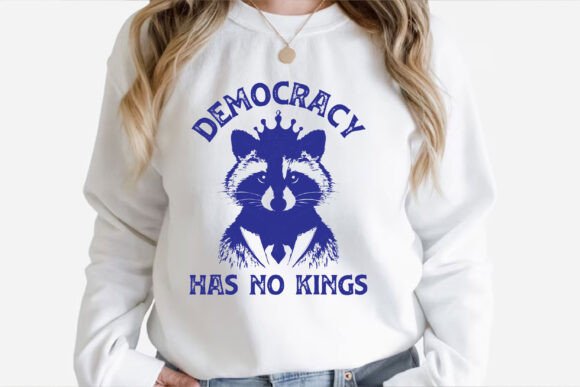
This graphic isn’t just a logo—it’s a statement. The bold lines, strong typography, and layered elements give it a dynamic presence that could easily become the centerpiece of any custom apparel project. Whether you’re thinking of a sweatshirt embroidery or a tote bag design, this SVG has the kind of visual punch that demands attention.
First Impressions: What Strikes You?
When I first opened the Rejecting Kings Since 1776 Protest SVG, I was struck by how much personality it carries. The layout is clean but powerful, with a clear hierarchy that guides the eye from the central text outward. The use of negative space adds to the sense of freedom and defiance the design represents.
The theme is unmistakable—this is not a subtle graphic. It’s meant to be seen, felt, and remembered. That makes it ideal for projects where you want to make an impression, like a handmade product for a boutique or a personalized gift that stands out in a sea of generic items.
How Does It Perform in Real Life?
I tested the Rejecting Kings Since 1776 Protest SVG on a few different surfaces to see how it would translate from screen to stitch. On a white cotton tote bag, the design came through clearly, with sharp edges and consistent stitching. The text had enough detail to remain legible even at a larger scale.
On a darker fabric, the contrast wasn’t as dramatic, so I’d recommend using a thread color that really pops against the background. This is especially important if you're targeting Etsy sellers or small shop products that need to stand out in photos.
The design also looked great when applied to a patch or embroidered patch. It retained its shape and clarity, making it a solid choice for craft business items or personalized gifts.
Where to Use With Caution
While the Rejecting Kings Since 1776 Protest SVG is versatile, there are some scenarios where you might want to think twice before using it. For example, if you’re working with small hoop sizes, the details might get lost. Similarly, on textured fabrics or thin fabric, the design may not hold up as well under frequent washing or stretching.
If you plan to use it on curved surfaces like caps or hats, make sure the design is centered and doesn’t have too many intricate corners that could distort during stitching. Also, avoid using it on layered garments where the design might not be visible through multiple layers of fabric.
Design Notes for Embroidery Professionals
Before committing to a project, I always suggest testing the Rejecting Kings Since 1776 Protest SVG on scrap fabric. This helps you see how the stitch density and thread colors interact with the fabric texture. If you’re planning to sell finished items, make sure to check the licensing terms to ensure you’re allowed to use the design commercially.
Also, consider using a good stabilizer to prevent shifting, especially if you're working with stretchy or delicate fabrics. And don’t forget to test the design in black and white mockups to see how it looks on different backgrounds.
Final Thoughts: A Design Worth Stitching
The Rejecting Kings Since 1776 Protest SVG is more than just a graphic—it’s a conversation starter. Whether you’re creating holiday embroidery items, nursery decor, or commercial embroidery assets, this design brings a unique energy that can elevate your work.
If you're looking for a machine embroidery design that balances creativity with practicality, this one definitely deserves a spot in your collection. Just remember to test it first, choose the right fabric, and let the design speak for itself. After all, sometimes the best messages are the ones that demand to be heard—and embroidered.